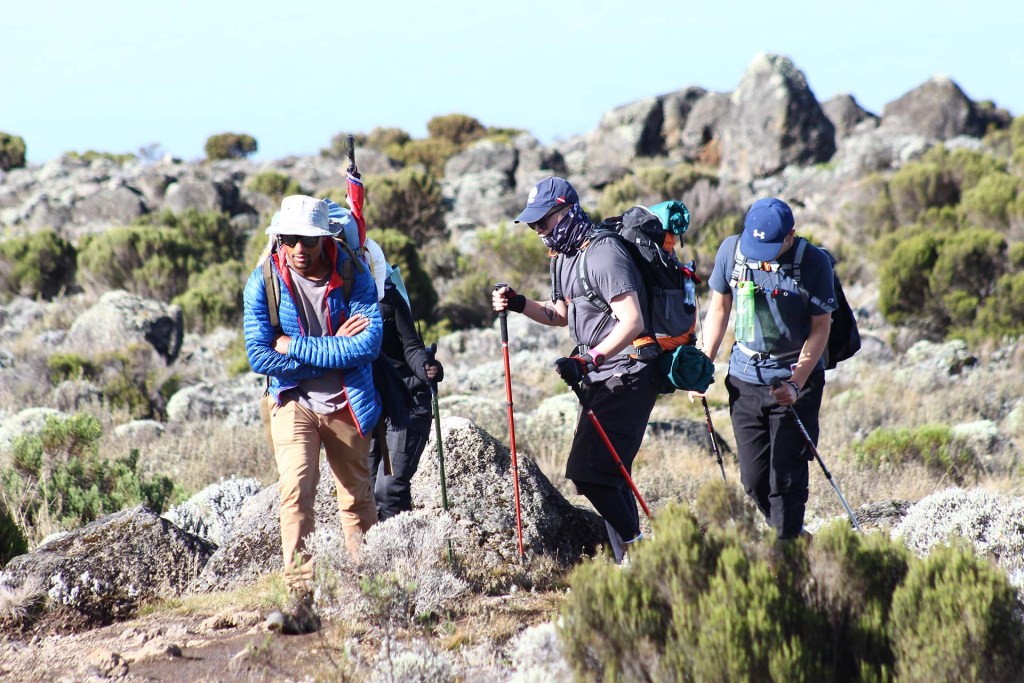
The Kilimanjaro trekking trail

Safety-Led Kilimanjaro Climbs: What It Actually Means

A safety-led Kilimanjaro climb is built around acclimatisation, not around getting people to the summit as fast as possible. It means the itinerary gives your body time to adjust, guides monitor your wellbeing every day, the team is properly trained for altitude and medical response, the right equipment is carried on every climb, and there's a clear, unhesitating plan for what happens if someone becomes unwell. Prevention first. Early detection second. Responsible decisions always, even when that means turning back.

What "Safety-Led" Really Means on Kilimanjaro

A safety-led Kilimanjaro climb is built around acclimatisation, not around getting people to the summit as fast as possible. It means the itinerary gives your body time to adjust, guides monitor your wellbeing every day, the team is properly trained for altitude and medical response, the right equipment is carried on every climb, and there's a clear, unhesitating plan for what happens if someone becomes unwell. Prevention first. Early detection second. Responsible decisions always, even when that means turning back.

Why "safe" matters on Kilimanjaro

For most climbers, Kilimanjaro isn't a technical climb. The real challenge is altitude, and altitude doesn't care how fit you are. It affects everyone differently, and even strong, experienced trekkers can be hit hard by it.

A safety-led operator doesn't wait for someone to start struggling before acting. Risk gets managed from day one, through:

  • Sensible pacing and itinerary design
  • Daily monitoring and open communication between climbers and guides
  • Proper safety equipment and emergency preparedness
  • Guide training that supports calm, correct decisions under pressure

What safety-led actually looks like: A practical checklist

1

Enough days for acclimatisation

Compressed itineraries push climbers up faster than their bodies can adapt, and that raises the risk of altitude symptoms significantly. A safety-led operator recommends a route and a number of days built around gradual adaptation, not around shaving a day off the price.

2

Daily wellbeing monitoring

This is more than a guide asking "how are you feeling?" once a day. Proper monitoring means regular, structured checks that help guides catch early warning signs before they become serious problems.

3

Guides trained for wilderness medical response

Altitude issues can escalate fast, so training isn't optional. Our guides hold Wilderness First Responder (WFR) certification.

4

Safety equipment is standard, not optional

Every Jaribu climb carries a full set of safety equipment as standard, including diagnostic tools for assessing altitude symptoms and emergency response gear.

5

Clear protocols when symptoms appear

A safety-led team should always:

  • Take symptoms seriously, immediately
  • Reassess early rather than waiting to see if things get worse
  • Slow down, rest, and monitor closely
  • Descend without hesitation if that's what's needed

The right call is always the safe call, no exceptions made for summit day pressure.

Ready to plan your climb?

Altitude Sickness: What You Should Know (Without Panicking)

Altitude sickness commonly shows up as headache, nausea, fatigue, dizziness, or poor sleep. Severe altitude illness is rare, but it's genuinely dangerous if it's ignored, which is exactly why early reporting matters so much.

  • Pace slowly, even when you feel strong
  • Hydrate and eat consistently, even without much appetite
  • Tell your guide the moment you feel unwell, don't wait to see if it passes
  • Follow instructions even when they feel overly cautious. They usually aren't.

How Jaribu supports a calm, safer climb

Our safety system is built around:

  • Daily monitoring and structured wellbeing checks
  • Medically trained guiding, with WFR-certified guides on every climb
  • Safety equipment carried on every expedition
  • Emergency readiness, including evacuation support partnerships
  • Calm, professional leadership on the mountain when it matters most

Frequently Asked Questions

Next Steps

Want route advice matched to your dates, fitness and comfort level? Compare routes and build your itinerary with our team.

For independent information on Kilimanjaro National Park, visit KINAPA.

Ready to plan your climb?

Joseph and his team are happy to help. No pressure, no sales pitch.

Enquire Now

Licensed, Accredited, and Recognised By

TATOTanzania Tourist BoardLeave No TraceAMREF Flying DoctorsKilimanjaro Search and Rescue