January
- Temperature
- Warm
- Precipitation
- Medium
- Cloudiness
- Low
- Crowds
- High

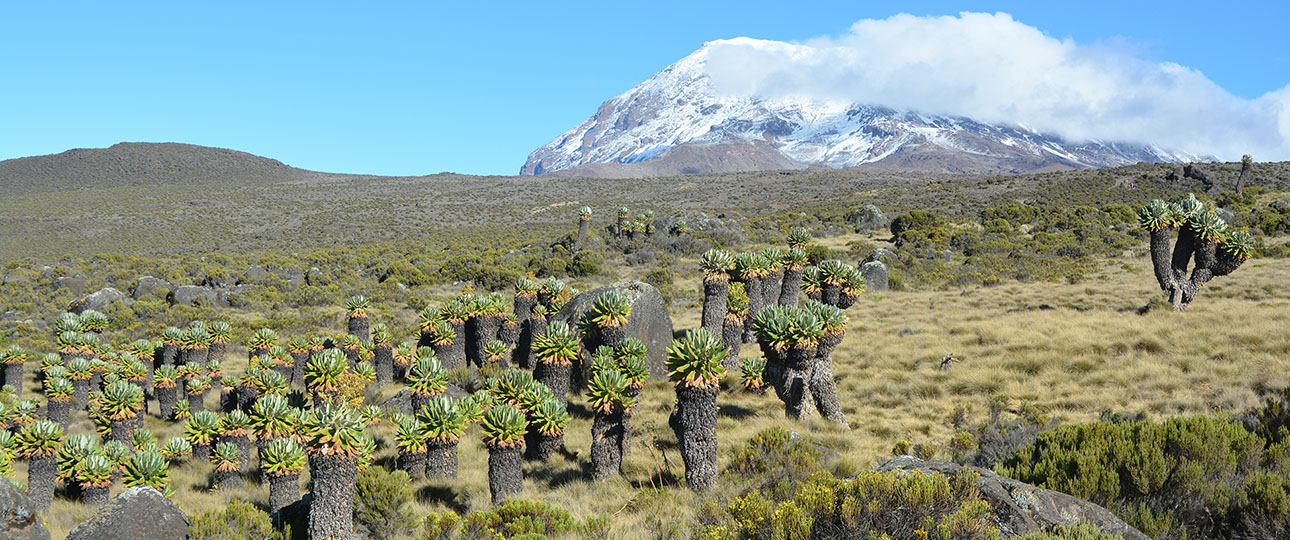
Mount Kilimanjaro can be climbed all year round. Generally, the main tourist seasons are from mid-June to October, then from December to February. These periods align with the dry season in Tanzania.
There are two wet periods – the long rainy season and the short rainy season. The long rainy season begins in March and ends in May. The short rainy season is during the month of November. Note that Kilimanjaro weather is unpredictable so these time periods will vary from year to year. Sometimes the rains come early, come late, are mild, or are torrential.
For most people, prefer July, August and September. The next tier of good months consists of October, January and February. These six months, plus December, are considered to be Kilimanjaro's high season. The transition season months are December, March and June. Lastly, the rains come in April, May and November. These three months are considered to be Kilimanjaro's low season.
Ready to plan your climb?
The greatest advantage of climbing at this time is that you can stay dry the entire time. Sure, you can always get rained on throughout the year, especially in the rain forest and moorlands, but typically the precipitation is low and infrequent. By staying dry, you stay comfortable and the overall trek will be more enjoyable. Removing the stress of being wet and cold also increases your chance of proper acclimatization. In the dry season, the views are better, with clear and sunny skies. The disadvantage is that the trails have many climbers, which can take away from the feeling of being on a big, remote mountain. However, some visitors look forward to socializing with other groups at camp. Not surprisingly, most people choose to climb during the dry season because the likelihood of nice Kilimanjaro weather trumps any misgivings they may have about encountering others on the mountain.
The prospect of having the mountain to yourself is what draws people to climb during the low season. The mountain is very empty and it is possible to be the only party at a campsite. This quiet and solitude is what many people seek when going outdoors. Secondly, although it does rain quite a lot during the low season, most of the time the rains arrive in the afternoon. With Kilimanjaro's trekking schedule, most of the hiking can be done in the mornings, which means that the time spent on trails while it rains can be minimised. One thing people forget is that precipitation creates snow, which is not a bad thing. Kilimanjaro is best displayed during the rainy season. The most beautiful sights of the mountain often are enjoyed in the mornings after it snows. No matter when you climb, you have the chance to see the night sky over the rift valley.
It is possible to climb Kilimanjaro year round, however it is best to climb when there is a lower possibility of precipitation. The dry seasons are from the beginning of December through the beginning of March, and then from mid-June through the end of October. These are considered to be the best times to climb in terms of weather, and correspondingly are the busiest months (high season). Most of our group climbs are scheduled to correspond with the dry season.
Kilimanjaro weather from January through mid-March are the warmest months, with clear skies in the mornings and evenings. During the day, clouds may appear along with brief showers. The long rainy season spans from the end of March to early June. We do not recommend climbing during this time unless you are an experienced backpacker who has trekked in similar conditions. It can be very wet, and visibility may be low due to heavy clouds. The crowds are gone, however. From mid-June to the end of October, the mountain is generally a bit colder, but also drier. The short rainy season spans from the beginning of November to the beginning of December. Afternoon rains are common, but skies are clear in mornings and evenings.
Note that the rains are unpredictable and may come early or extend beyond their typical time frames. It is possible to experience mostly dry Kilimanjaro weather conditions during the rainy season, just as it is possible to have heavy rain during the dry season.
Some climbers prefer to summit during a full moon. When the peak of Kilimanjaro and magnificent glaciers are lit up by the full moon, the view is absolutely stunning. For this reason alone, some climbers schedule their trek to coincide with this celestial event, occurring once a month. However, a practical reason for climbing at these times is that a bright moon along with a clear sky will improve your visibility throughout your climb, and most importantly, during the summit attempt.
Joseph and his team are happy to help. No pressure, no sales pitch.
Enquire Now


